Application-First Industrial Machinery
The Right Machinery Starts With Understanding Your Production Challenge
Choosing machinery on speed or price alone without evaluating process fit is one of the most costly decisions a manufacturer can make. N-TEX works differently.
Before any machine is recommended, we start by understanding your material, application, production capacity, automation requirements and the specific challenge you are trying to solve.
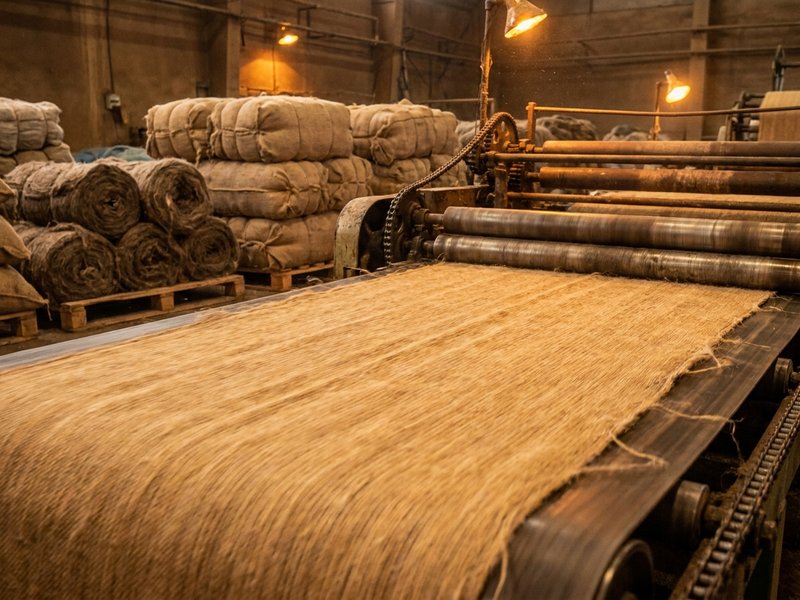
Understanding the Challenge
Production Challenges That Cost More Than They Appear
Manufacturers across packaging, textile, agriculture and recycling sectors share a common set of operational frustrations — and most of them compound over time rather than resolve themselves.
The root cause in many of these situations is not the machinery itself. It is that machinery was selected without a thorough evaluation of the material being processed, the production environment, the throughput requirement and the specific stage of the production line where the bottleneck actually sits.
Our Process
Application-Focused Machinery Selection: Process Understanding Before Product Recommendation
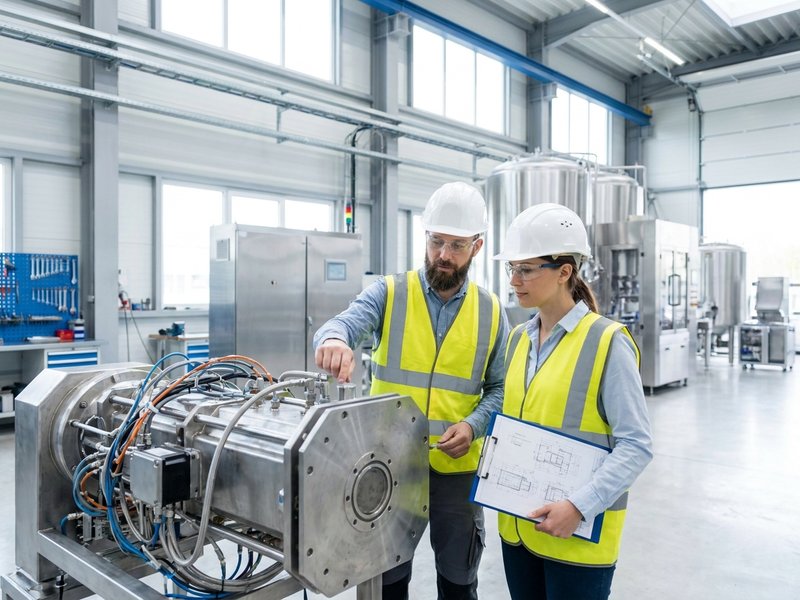
N-TEX does not begin with a product list. Every engagement begins with a structured evaluation of your production context — because the machinery that performs well in one application can be the wrong choice for a superficially similar one.
This process-first approach means the machinery we recommend is selected for fit — fit to your material properties, fit to your throughput targets, fit to the upstream and downstream stages your line already runs.
The Portfolio
Machinery Across Every Critical Production Stage
N-TEX supplies industrial machinery spanning printing, cutting, winding, bale pressing, bag conversion and board processing — covering the production stages where efficiency, consistency and process reliability matter most.
Flexographic Printing Machinery
Multi-colour flexographic printing for HDPE/PP woven sacks, FIBC, big bags, jute and canvas bags, corrugated paper, multiwall paper sacks and industrial substrates.
Fabric and Reel-to-Sheet Cutting
Manual and automatic cutting configurations for woven sack fabric. Addresses slow conversion throughput and positions cutting to keep pace with the rest of the line.
Winding Machinery
High-Speed Magnetic Cheese Winder and Automatic Pirn Winder Machines. Consistent tension, different capacities and operating speeds for your specific requirements.
Hydraulic Bale Press
10 tons to 200 tons and above. Handles woven sacks, FIBC, paper, cotton, coir, PET, metal, aluminium, tin and agricultural materials. Reduces floor space and improves throughput.
Bag Conversion Lines
Conversion line machinery for bag manufacturing operations, supporting production efficiency across flexible packaging formats.
Board Pressing Machines
Board pressing machinery for corrugation and paper-based packaging producers, addressing pressing consistency and throughput in board processing.
D-Cut Bag Offset Printing
Offset printing machinery configured for D-cut bag production, combining print quality with the specific handling requirements of this bag format.
Wide Width Paper Printing
Printing machinery for wide-format paper substrates, serving industrial paper packaging and multiwall sack manufacturers requiring consistent output across wide-width material.
Printing Machinery
Flexographic Printing Machinery
Inconsistent printing quality is not just a cosmetic problem for industrial packaging manufacturers. It drives product rejections, creates rework cycles, and in regulated or branded supply chains, it introduces compliance and reputational risk.
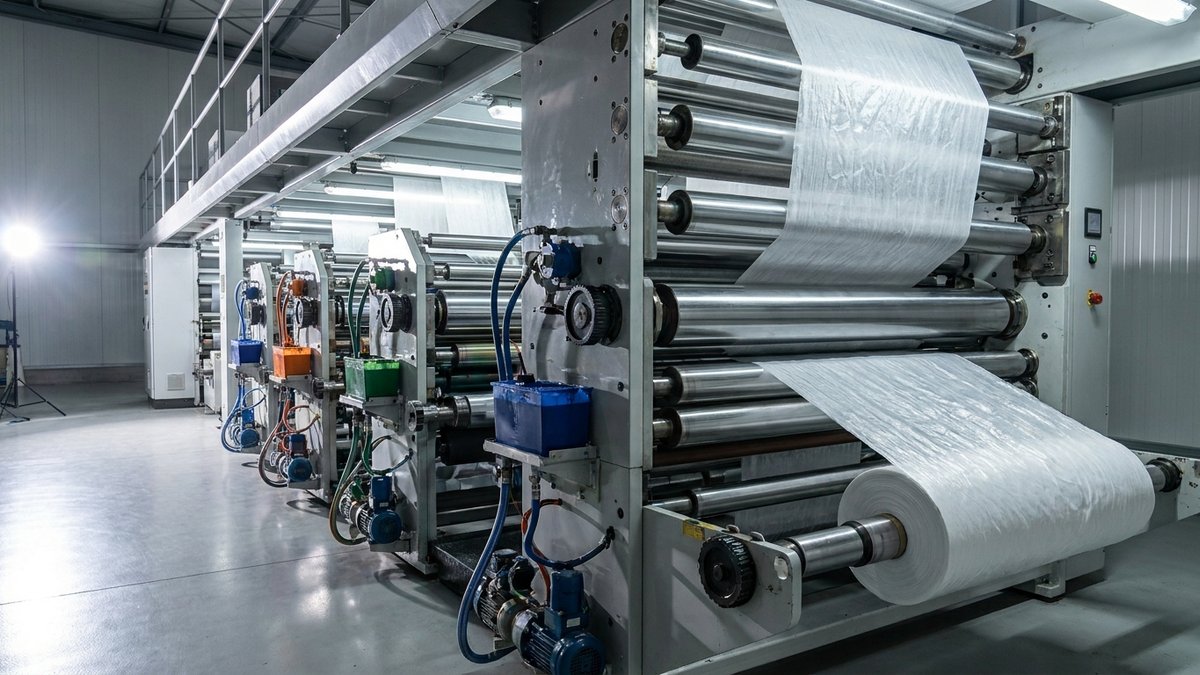
N-TEX flexographic printing machinery is configured for the specific demands of industrial substrate printing. Substrates covered include HDPE and PP woven sacks, FIBC and big bags, jute bags, canvas bags, corrugated paper, multiwall paper sacks and other industrial packaging substrates. Multiple colour configurations are available to match your print specification requirements.
The selection process begins with your substrate, your print requirement and your production volume — not with a standard machine spec.
Cutting Machinery
Fabric and Reel-to-Sheet Cutting Machinery
Slow cutting and conversion processes are a common source of throughput bottlenecks in woven sack and fabric-based packaging manufacturing. When cutting capacity does not match the output of upstream or downstream stages, the entire line slows to the pace of its weakest point.
N-TEX fabric and reel-to-sheet cutting machinery is available in both manual and automatic configurations. Automatic configurations reduce manual handling dependency and support consistent cut quality across high-volume production runs. Manual configurations suit operations where flexibility across material types or run sizes is the priority.
Winding Machinery
Winding Machinery
Inconsistent winding tension is one of those production problems that often presents itself far downstream from where it actually originates. Yarn or tape wound under variable tension creates quality failures in weaving, knitting or conversion stages.
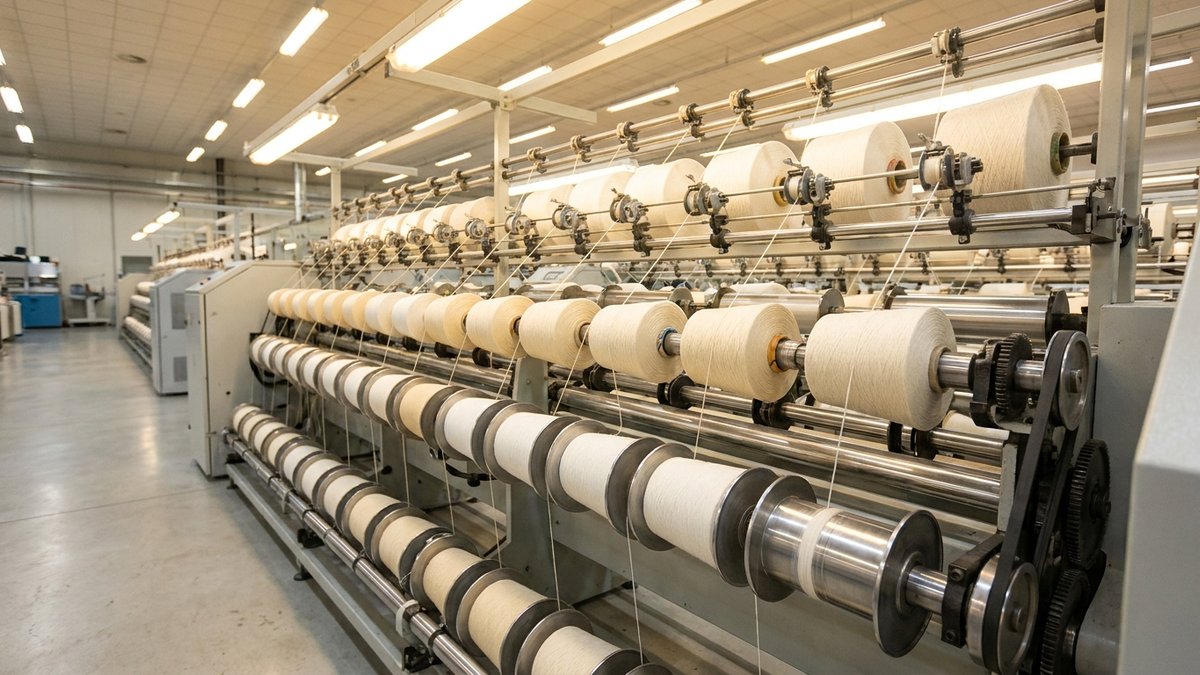
The range includes the High-Speed Magnetic Cheese Winder and the Automatic Pirn Winder Machine, both available across different winding capacities and operating speeds. The magnetic tension control in the cheese winder maintains consistent tension throughout the winding cycle, reducing variation between packages and improving downstream process reliability.
Hydraulic Bale Press
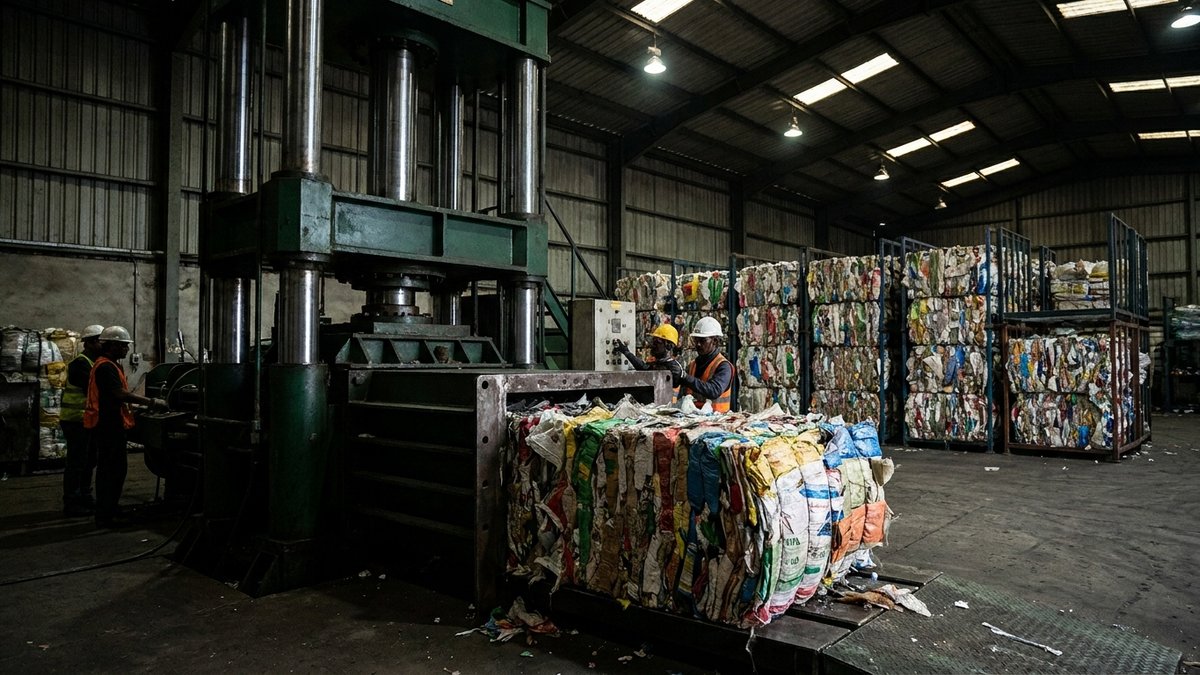
Hydraulic Bale Press: 10 to 200 Tons and Above
Loose or poorly formed bales consume floor space, complicate storage logistics and make material handling slower and more labour-intensive than it needs to be. For processors dealing with high volumes of woven sacks, FIBC, paper, cotton, coir, PET, metal, aluminium, tin or agricultural materials, baling efficiency directly affects both operating costs and available floor space.
The N-TEX hydraulic bale press range covers capacities from 10 tons to 200 tons and above — a range that allows the correct press to be specified for the material density and bale size your operation requires. Material type, volume per shift, bale weight targets and the physical constraints of your facility are all factored into the configuration recommended.
Who We Serve
Built for Industrial Manufacturers Across Packaging, Textile and Processing Sectors
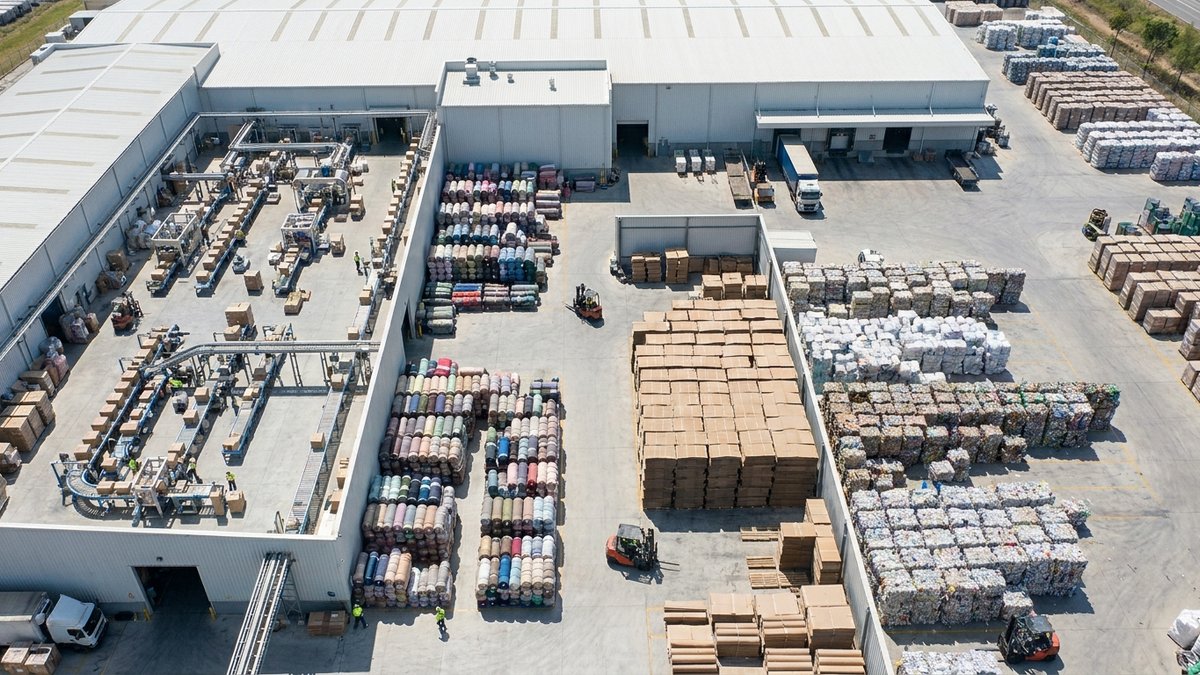
N-TEX machinery is specified for manufacturers operating across a broad range of industrial production environments. If your operation falls into one of the segments below, the machinery requirements — and the production challenges that come with them — are ones N-TEX has direct application experience with.
Woven Sack & Raffia
PP or HDPE woven sacks, raffia tape and fabric products requiring printing, cutting, winding and baling.
FIBC & Big Bag
Flexible intermediate bulk container and big bag manufacturers where print quality and bale press capacity matter.
Corrugation & Paper
Corrugated board and paper packaging producers requiring wide-format printing, board pressing and baling.
Jute & Canvas Bags
Natural fibre bag manufacturers requiring machinery configured for jute and canvas characteristics.
Non-Woven & Shopping Bag
Non-woven fabric bag producers requiring cutting, printing and conversion matched to non-woven properties.
Textile Manufacturers
Textile operations requiring winding and baling solutions for yarn management and package consistency.
Agricultural Processors
Agricultural operations where bale press capacity must match material density and volume requirements.
Plastic & PET Recyclers
Recycling and scrap processing operations where bale press capacity and cycle efficiency drive throughput.
Protective Film
Industrial operations handling protective film requiring cutting, winding or baling for film substrates.
Industrial Manufacturers
Any manufacturer who has identified a specific production stage as a constraint on efficiency or consistency.
Why N-TEX
Why Manufacturers Engage N-TEX Rather Than a Standard Machinery Supplier
The difference between machinery that improves a production line and machinery that creates new problems within it usually comes down to how the selection decision was made.
Process Understanding Before Product Recommendation
No machinery is recommended until your material, application, production capacity, automation requirement, existing machinery and specific challenge have been evaluated. This is an engineering process.
Portfolio Spanning Multiple Production Stages
N-TEX covers printing, cutting, winding, conversion, bale pressing and board processing. Production line optimisation can be considered across stages, not in isolation at a single machine.
Customised Machinery Solutions
Where standard configurations do not match a specific material, dimension or output requirement, customised machinery solutions are available. Production processes vary — machinery specifications should reflect that.
Group Heritage With Roots Going Back to 1972
Engineering experience and application knowledge built across decades of industrial machinery activity provides a depth of process understanding that newer entrants cannot replicate quickly.
International Export Activity
N-TEX machinery is exported internationally, reflecting application experience across different production environments, regulatory contexts and operational requirements.
In-House Testing and Quality Control
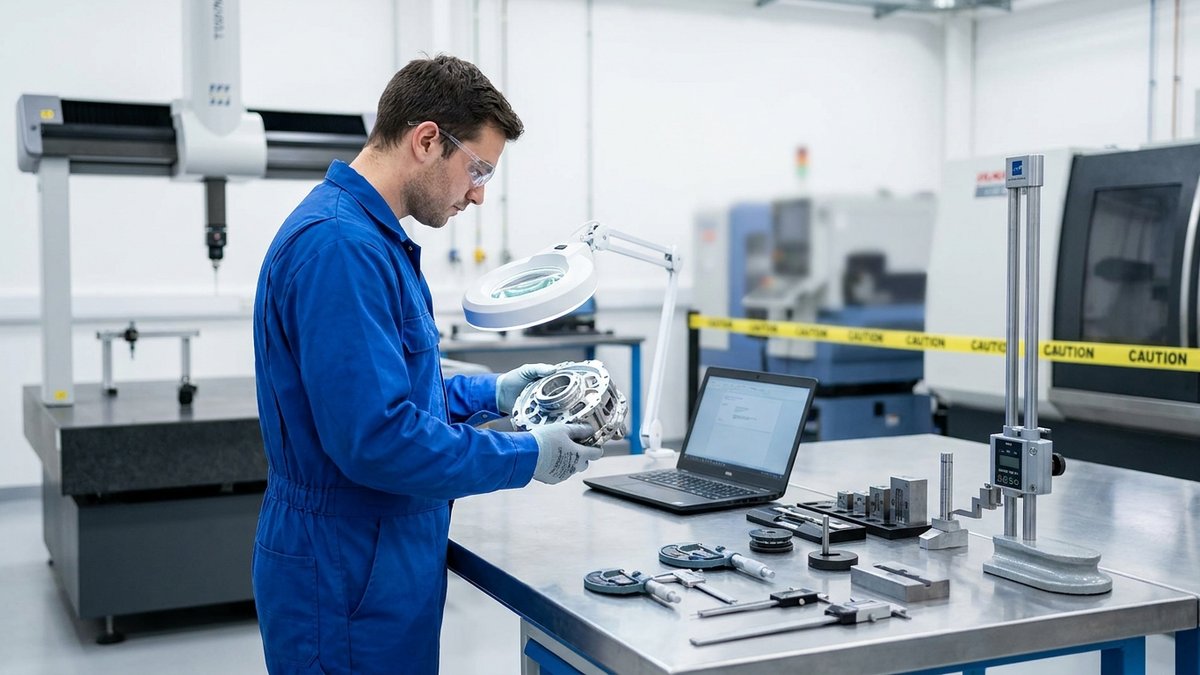
In-house testing and quality-control processes are part of the production and pre-delivery workflow — supporting machinery reliability from day one of operation.
Full Production Line Perspective
A bottleneck at one stage slows the entire line. N-TEX evaluates how machinery fits within the broader production context, not just whether it meets individual machine specifications. This is what distinguishes a process partner from a transactional supplier.
The Consultation Process
How the Enquiry and Consultation Process Works
Getting a machinery recommendation from N-TEX is a structured process built around your production context.
Share Your Production Context
Tell the N-TEX technical team about your material, application, production capacity requirements, level of automation needed, existing machinery setup, and the specific production challenge you are trying to address. The more detail you provide, the more accurate the evaluation.
Technical Evaluation
The N-TEX technical team reviews your full production context — not just the machine type you have enquired about. This evaluation considers how the recommended machinery will interact with your existing line, your material properties and your throughput targets.
Application-Appropriate Recommendation
Based on the evaluation, N-TEX provides a machinery recommendation matched to your specific application. Where standard configurations are not the right fit, customised options are discussed. You receive a recommendation grounded in process logic, not catalogue selection.
Track Record
N-TEX: Application Experience Built Over Decades
Group Heritage Since 1972
Engineering and application knowledge accumulated since 1972 across packaging, textile and processing sectors.
International Export Activity
Machinery supplied to manufacturers internationally across diverse production environments.
10 to 200 Tons and Above
Bale press range matching press specification to material type and production volume.
Multiple Colour Configurations
Flexographic printing machinery in multiple colour configurations across HDPE, PP, jute, corrugated and multiwall paper substrates.
In-House Testing & QC
Quality-control processes and in-house testing before machinery despatch, supporting reliable performance from day one.
Start the Conversation
Talk to Our Technical Team
If you are evaluating machinery for a specific production challenge, the most useful starting point is a direct technical conversation — not a brochure.
Submit an enquiry and tell us about your material, your application, your production volume, your automation requirements and the challenge you are working to resolve. The N-TEX technical team will review your production context and come back to you with an application-focused response.
You are not committing to a purchase by making an enquiry. You are starting a process that puts your production requirements at the centre of the machinery evaluation — which is where they should be.